
Ein paar Gedanken über Düfte in Kosmetikprodukten
Düfte gehören seit Jahrtausenden zu Körperpflege und Kosmetik. Sie prägen unsere Wahrnehmung eines Produktes, wecken Erinnerungen und können darüber entscheiden, ob wir eine Formulierung als angenehm empfinden. Doch Duft ist nicht gleich Parfum: Auch ätherische Öle, Pflanzenextrakte, Wachse und andere natürliche Rohstoffe können einem Kosmetikprodukt einen charakteristischen Eigengeruch verleihen.Gerade in der Naturkosmetik lohnt sich deshalb ein genauerer Blick. Woher kommt der Duft eines Produktes? Wann wird gezielt parfümiert und wann duftet eine Formulierung einfach aufgrund ihrer natürlichen Inhaltsstoffe? Was unterscheidet natürliche von synthetischen Riechstoffen? Und was verrät die INCI-Liste tatsächlich über Duftstoffe und mögliche Allergene? Ein paar Gedanken über die Wirkung von Düften, ihre unterschiedlichen Quellen und die Frage, wie viel Duft gute Hautpflege eigentlich braucht.
Perfumes
KOMPLEXE DUFTKOMPOSITIONEN MIT INDIVIDUELLER NOTE
Perfumes are deliberately composed blends of different fragrance ingredients. They can be of natural or synthetic origin, or combine both. It is the interplay of the individual components that creates the characteristic scent of a composition. Traditionally, perfumes are structured into top, heart and base notes. The top note creates the first impression and usually fades relatively quickly. The heart note then unfolds as the actual character of the fragrance, while the base note remains perceptible for longer and gives the composition depth. In cosmetic products, perfumes are used to create a specific scent or to modify or mask the inherent scent of a formulation. In the INCI list, such fragrance compositions are generally declared under the collective term “PARFUM”. This designation alone does not reveal whether the fragrance ingredients behind it are natural, synthetic or a combination of both. But perfume is only one way in which a cosmetic product can acquire its scent. The raw materials themselves can also give a formulation its characteristic smell.

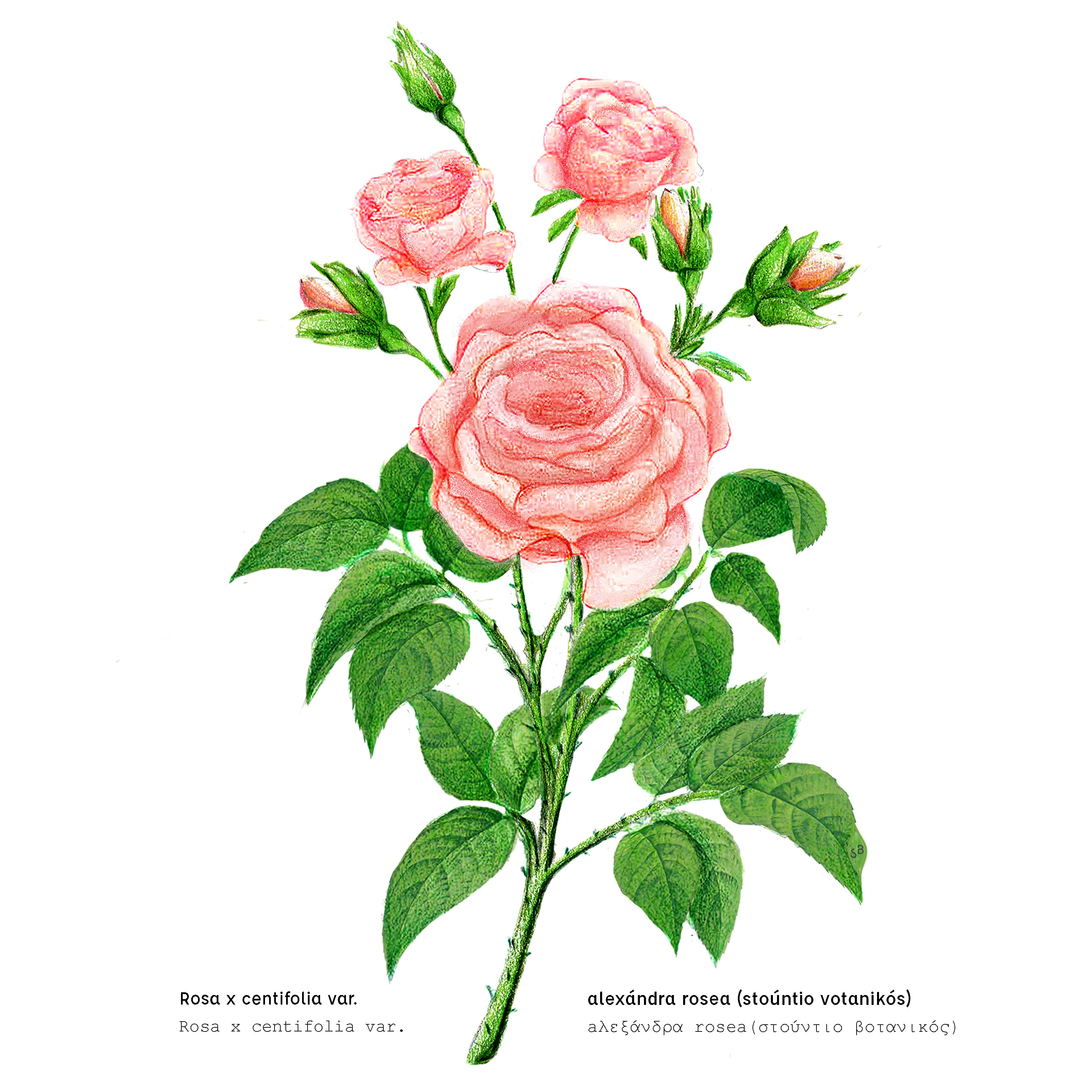
NATURAL, SYNTHETIC – OR SIMPLY THE INHERENT SCENT?
Not every scent in a cosmetic product comes from perfume. Many raw materials already have a scent of their own and therefore influence the smell of the finished formulation. Plant oils, waxes, extracts, floral waters and other natural ingredients in particular can bring very different and sometimes clearly perceptible scents with them. Essential oils occupy a particular position. They are complex natural mixtures of volatile plant compounds and are used for their characteristic scent, but in some cases also for other cosmetic properties. Natural and synthetic fragrance ingredients can also be deliberately used and combined in perfume compositions. The terms “fragrance”, “perfume” and “fragrance ingredient” therefore do not describe the same thing. A product can have a noticeable scent without containing perfume. Conversely, the declaration “PARFUM” initially tells us only that a fragrance composition has been used – not whether its components are of natural or synthetic origin.
DIE MACHT DER DÜFTE
FLUCH ODER SEGEN?
Düfte wirken unmittelbar. Unser Geruchssinn ist eng mit Emotionen und Erinnerungen verbunden: Ein vertrauter Geruch kann innerhalb von Sekunden Bilder, Orte oder Situationen ins Gedächtnis rufen. In Kosmetikprodukten prägt Duft deshalb das Produkterlebnis oft stärker, als uns bewusst ist.Doch was angenehm duftet, ist individuell. Ein Duft kann eine Formulierung sensorisch abrunden, ihren Eigengeruch überdecken und die Anwendung angenehmer machen. Er kann aber auch als zu intensiv oder störend empfunden werden – und einzelne Duftstoffe können bei entsprechend sensibilisierten Menschen Hautreaktionen auslösen. Die INCI-Liste gibt dabei wichtige Hinweise, erzählt aber nicht die ganze Geschichte. Deklarationspflichtige Duftallergene können beispielsweise natürliche Bestandteile eines ätherischen Öls, eines Wachses oder eines anderen Rohstoffs sein. Ihre Nennung sagt jedoch nicht, in welcher Konzentration der zugrunde liegende Rohstoff eingesetzt wurde oder wie intensiv das fertige Produkt duftet.Auch die Angabe „PARFUM“ ist nur begrenzt aussagekräftig: Sie bezeichnet eine Duftkomposition, verrät aber weder allein deren natürliche oder synthetische Herkunft noch ihre vollständige Zusammensetzung. Und auch wenn keine einzelnen Duftallergene aufgeführt sind, lässt sich daraus keine generelle Verträglichkeit für jeden Menschen ableiten.Duft und Verträglichkeit lassen sich deshalb nicht allein anhand einzelner Begriffe in der INCI-Liste beurteilen. Entscheidend sind die konkrete Formulierung, die eingesetzten Stoffe, ihre Konzentration und die individuelle Sensibilisierung.
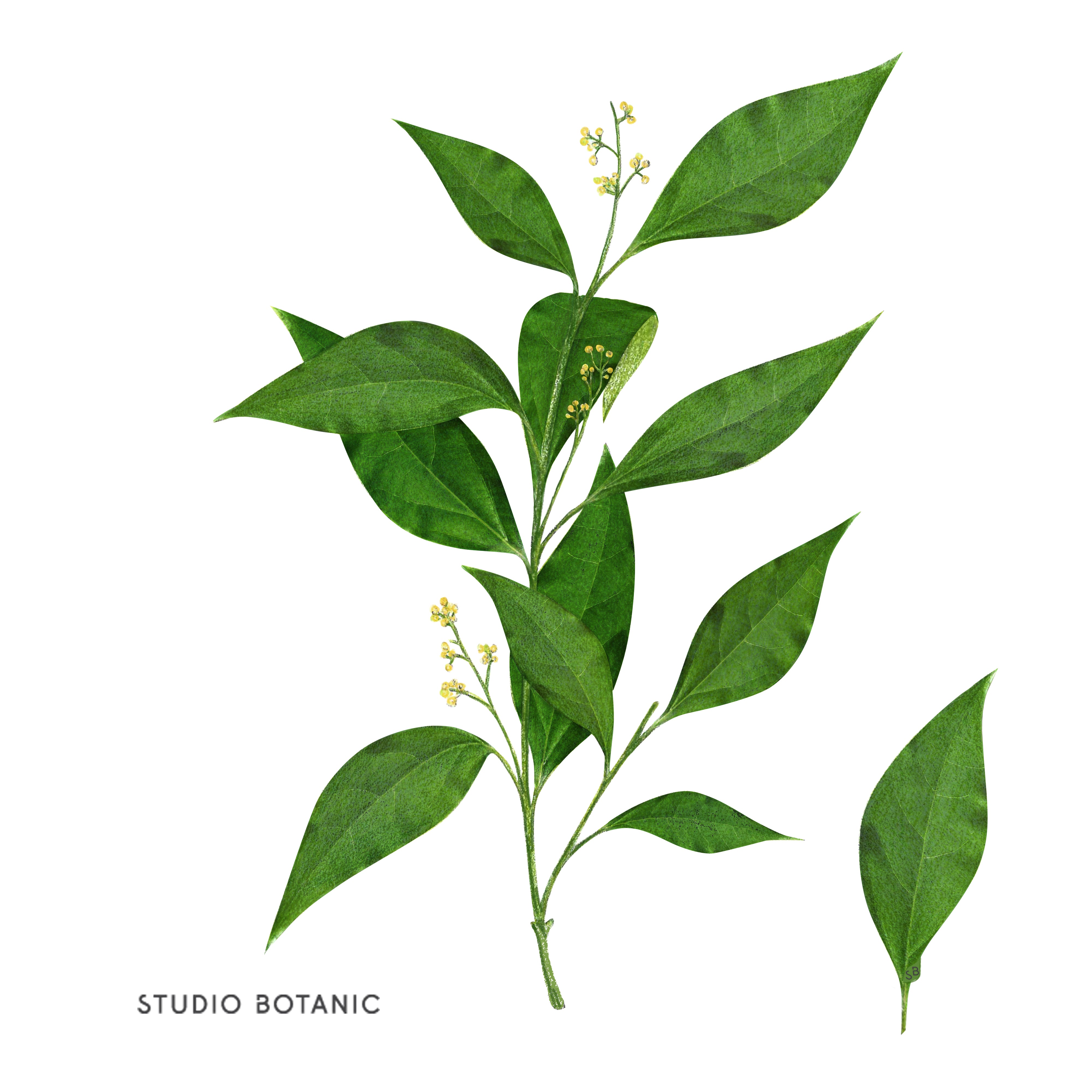
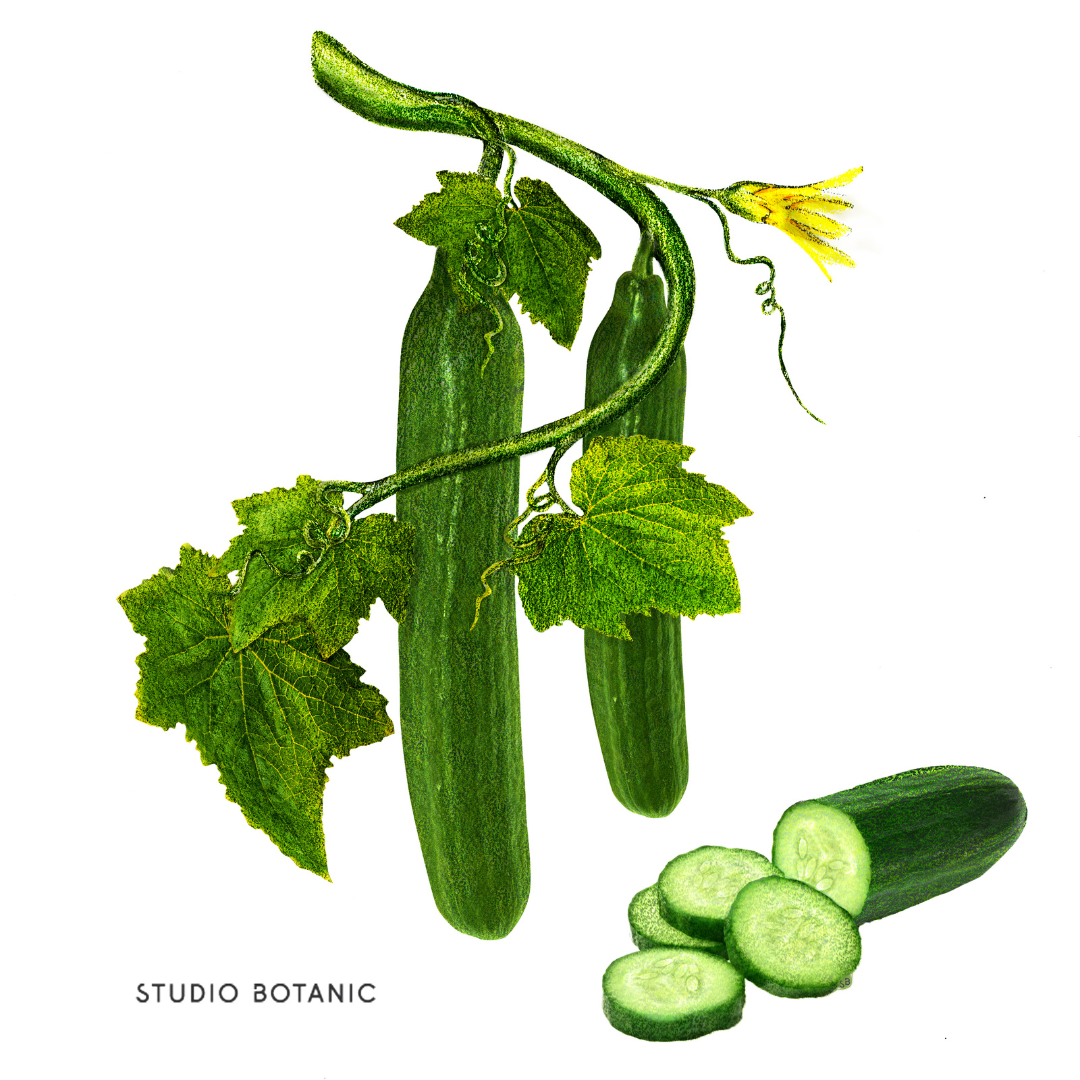
HOW MUCH FRAGRANCE DOES COSMETICS NEED?
Fragrance can shape the experience of a cosmetic product, but it is usually not necessary for its actual skincare benefits. At the same time, many natural raw materials have a characteristic scent of their own, which is part of the formulation and does not necessarily need to be masked. The question is therefore not simply “fragrance or no fragrance?”, but what level of scent is actually appropriate for a particular product. A pleasant inherent scent can remain unchanged. In other formulations, it can make sense to soften dominant or less pleasant raw-material notes with selected aromatic ingredients or small amounts of essential oils. Dosage is crucial. The less additional fragrance a formulation requires, the less needs to be used. In this way, scent can subtly accompany a product without overshadowing its character or primary function. After all, good skincare does not need to smell intense to be pleasant.
HOW MUCH FRAGRANCE DOES COSMETICS NEED?
Natural cosmetics do not derive their scent solely from essential oils. Plant oils, waxes, extracts, floral waters and other raw materials bring their own scents and thereby shape the character of a formulation. Many of these inherent scents arise independently of the typical fragrance allergens found in essential oils.
Benefits
- The scent can originate directly from the natural raw materials used – without any additional perfuming.
- Natural inherent scents can give a formulation an authentic, botanical character.
- Even small amounts of essential oils can be sufficient to subtly balance a formulation and mask less pleasant inherent scents of other raw materials.
- Aromatische Rohstoffe können neben ihrem Duft weitere Funktionen innerhalb einer kosmetischen Formulierung übernehmen.
Limitations
- Not every natural raw material automatically smells pleasant; strong inherent scents can dominate the sensory character of a product.
- Essential oils can contain declarable fragrance allergens and may cause reactions in people who are sensitised to them.
- Tolerance and allergenic potential cannot be assessed solely on the basis of a fragrance ingredient’s natural origin.
- Natural raw materials can vary to some extent in scent and composition depending on their origin, harvest and processing.
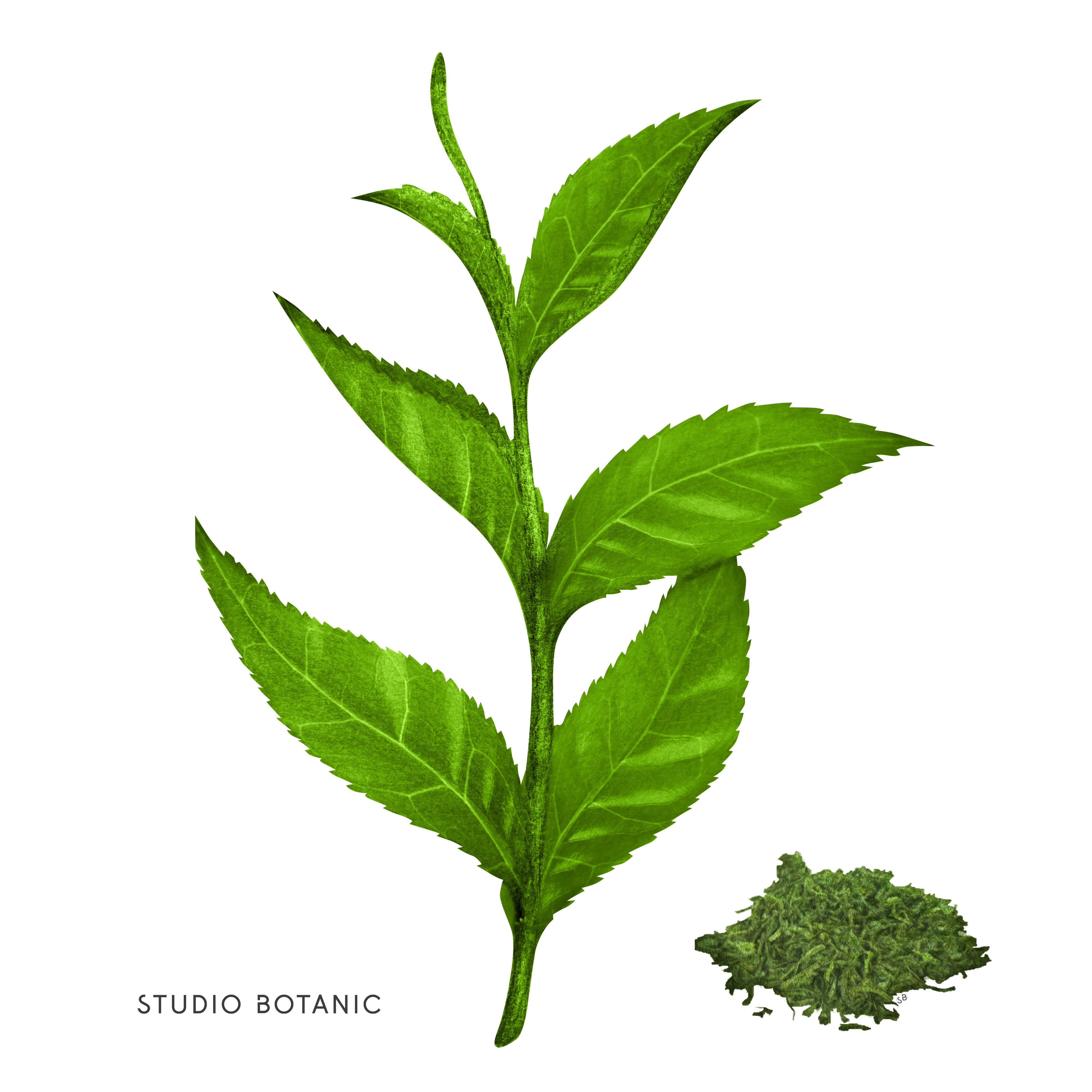
Düfte bei STUDIO BOTANIC
“Less is more”
At STUDIO BOTANIC, the scent of a product is not the starting point of a formulation. What matters first are efficacy, skin compatibility and the natural raw materials on which each formulation is based. Their inherent scent is initially part of the formulation and does not automatically need to be masked. That is why we largely avoid perfume and use essential oils consciously and as sparingly as possible – or omit them altogether. Where the inherent scent of individual raw materials benefits from sensory refinement, selected essential oils or other natural aromatic ingredients can be used in low concentrations. Our aim is to create light, subtle botanical scents that pleasantly accompany a product without dominating it. When it comes to fragrance, STUDIO BOTANIC therefore follows the same simple principle: as little as possible, as much as necessary.
